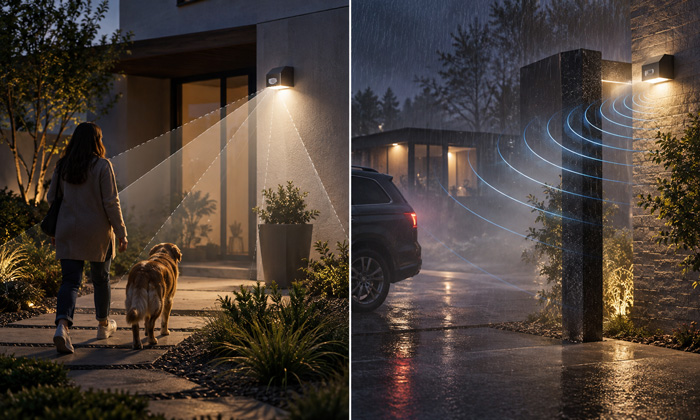
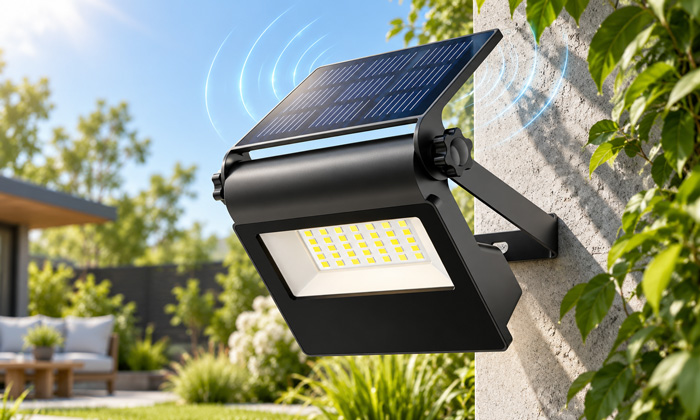
Compares motion sensors and radar sensors used in outdoor lighting, explaining their working principles, detection performance, energy efficiency, weather adaptability, installation considerations, and maintenance requirements. It highlights the differences between PIR and radar technology to help evaluate suitable sensing solutions for garden lights and other outdoor lighting applications based on specific environmental and functional needs.
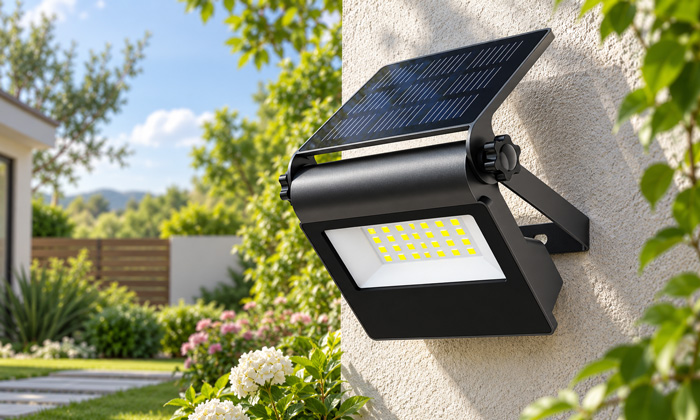
Solar lights rely on sunlight to recharge their batteries and provide outdoor lighting at night, but many people are unsure whether they should be switched on or off during charging. This article explains the best charging practices, how sunlight exposure affects performance, when to turn solar lights off, and how proper maintenance, placement, and troubleshooting can help improve the lifespan and efficiency of solar lighting systems.
Solar garden lights generate very low levels of electromagnetic fields during daily operation because their solar panels mainly convert sunlight into electrical energy rather than emit radiation. This article explains how solar panels, batteries, and LED components work together, why EMF from solar lighting remains minimal, and how proper installation and maintenance help maintain efficient performance in gardens, pathways, and landscape spaces.
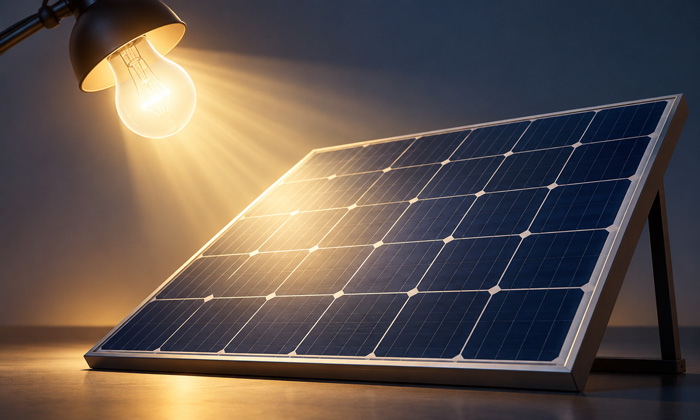
A light bulb can technically provide energy to a solar panel, but the charging effect is much weaker than direct sunlight. This article explains how solar panels respond to artificial light, why LED bulbs are not practical charging sources, and how factors such as shade, cloudy weather, seasonal changes, and sunlight exposure influence solar charging performance. It also explains why natural daylight remains the most effective energy source for solar-powered devices.
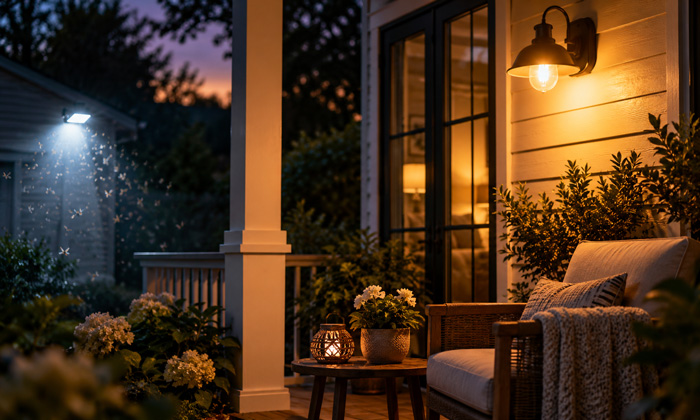
Choose the right outdoor lighting to reduce bug attraction while creating a comfortable nighttime atmosphere. This article explains how different light colors, including warm white, amber, and yellow tones, affect insect activity and why LED lights with low UV output are a better choice. It also covers how light selection, fixture design, and waterproof performance help create practical and balanced outdoor lighting solutions.
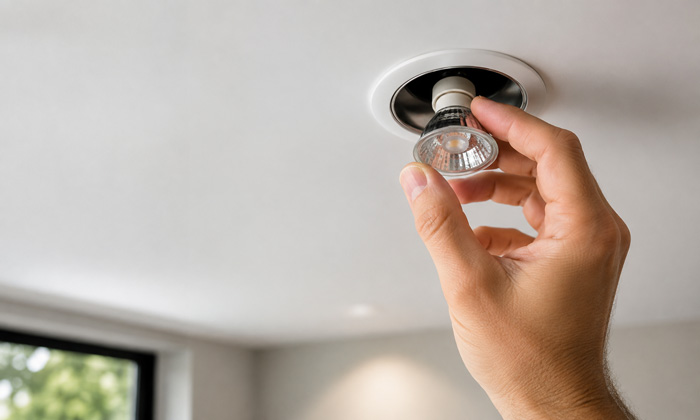
Changing a recessed spotlight bulb without clips requires identifying the bulb base, choosing the right removal method, and installing a compatible replacement correctly. This article covers common clip-free spotlight designs, including GU10, E27, and push-fit bulbs, while providing practical steps for safe replacement, avoiding fixture damage, checking compatibility, and maintaining reliable lighting performance.
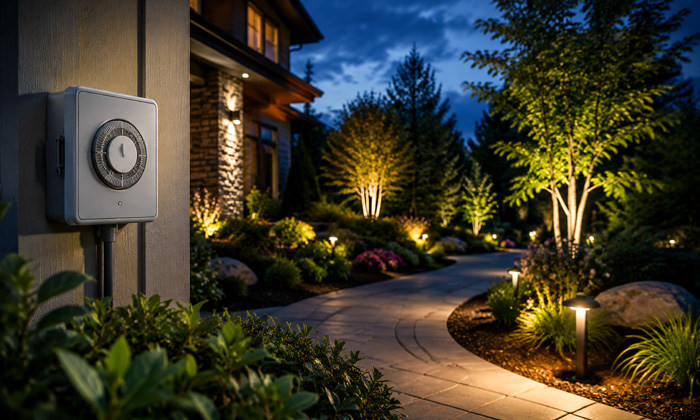
Timer controls play an important role in modern landscape lighting systems by improving energy efficiency, reducing unnecessary operation, and creating a more convenient outdoor lighting experience. By automating lighting schedules, these controls help protect fixtures, lower maintenance needs, enhance security, and provide better control over different lighting areas. Proper timer selection and installation allow landscape lighting systems to achieve reliable performance while maintaining long-term cost efficiency.
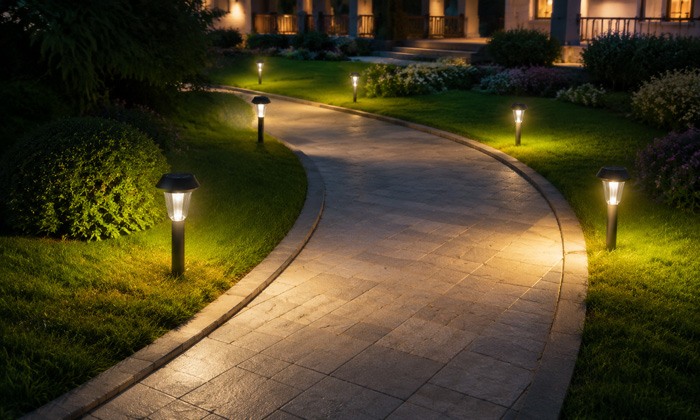
Solar light spacing plays an important role in creating balanced outdoor illumination. This article covers the recommended distance between solar lights for pathways, gardens, driveways, and decorative areas, along with factors that affect placement, including brightness, sunlight exposure, weather conditions, and waterproof protection. Proper spacing helps improve lighting coverage, maintain visual appeal, and support reliable performance throughout different seasons.