

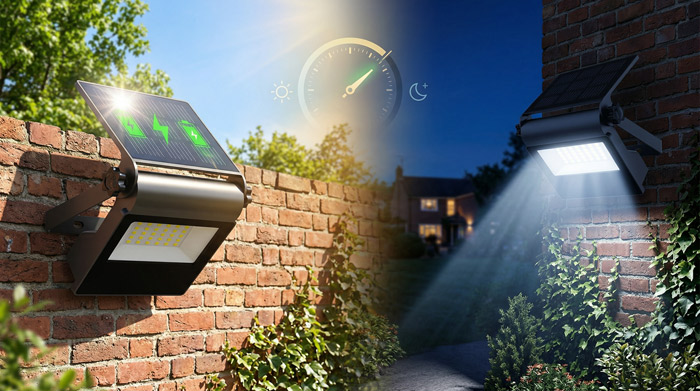
The Basic Charging Timeline
How Solar Lights Actually Charge
Key Factors That Influence Charging Time
Battery Capacity and Type
Solar Panel Quality and Efficiency
First-Time Charging and Setup
Why Solar Lights Sometimes Seem to Charge Slowly
Can Solar Lights Charge Without Direct Sunlight?
How to Maximize Charging Efficiency
FAQs
Solar lights have become one of the most practical and eco-friendly lighting solutions for homes, gardens, walkways, and commercial landscapes. They operate without wiring, reduce electricity costs, and require minimal maintenance. Yet one of the most common questions homeowners and buyers ask is simple: how long does it take for solar lights to charge?
The short answer is that most standard solar lights require between six and eight hours of direct sunlight to fully charge. However, the real answer is more nuanced. Charging time depends on several environmental and technical factors, including sunlight intensity, battery capacity, panel efficiency, and seasonal conditions. Understanding these variables helps you set realistic expectations and maximize performance.
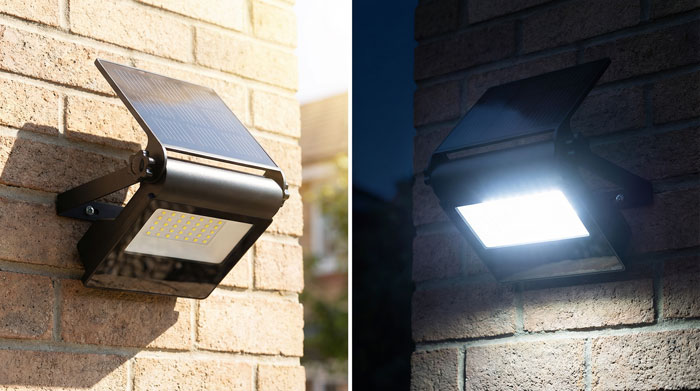
In ideal summer conditions, a standard outdoor solar light that is subjected to full sun will be completely charged in a matter of six to eight hours. Once completely charged, it will be able to provide lighting for a period of eight to twelve hours during the night.
However, it should be noted that ideal conditions are hardly ever available. There are a number of factors that might influence the time it takes for a solar light to be completely charged, and it might even take more than a single day for a solar light, particularly during the winter, to be completely charged.
It should be noted that a solar light does not have to be completely charged every day in order for it to be able to operate. The fact that it has some charge means that it will be able to operate, although for a shorter duration.
How Solar Lights Actually Charge
To grasp the charging time, it is essential to have an idea of what is happening inside the solar light. A solar light is composed of:
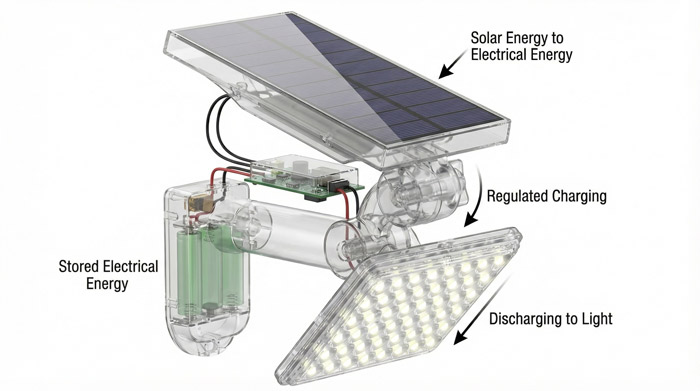
- A solar panel that converts solar power to electricity
- A rechargeable battery to store the power
- An LED light bulb to emit light
- A controller to regulate the charging and ON/OFF of the solar light
During the day, solar panels harness solar power and convert it to electricity. The electricity is stored in the rechargeable battery. In the evening, the controller turns on the LED light using the stored power.
A solar light relies entirely on solar power, and thus the charging of the solar light is directly proportional to exposure.
Key Factors That Influence Charging Time
While six to eight hours is the average benchmark, several major factors can either shorten or extend that timeframe.
Sunlight Intensity
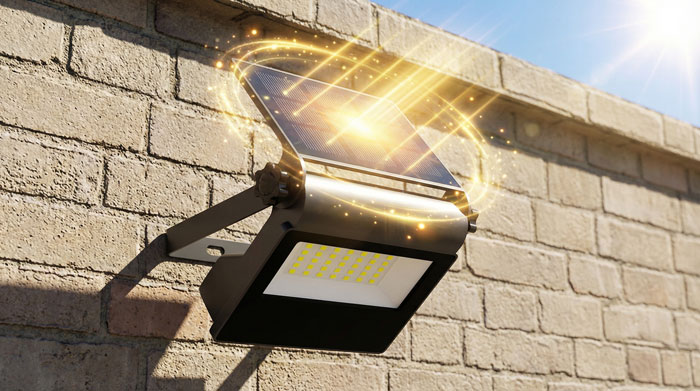
First of all, direct or indirect sun is essential for solar panels to work effectively. It is a given that solar panels work most effectively during the day, especially during midday. It is not advisable to place a solar-powered light in a shaded area or under trees.
Cloudy days can impede the efficiency of solar panels as well. During overcast days, solar panels are only able to produce a small fraction of their full potential.
Seasonal Changes
Season is an important factor in charging performance. Summer has longer days and the sun is high in the sky. This means the sun is stronger. However, there are challenges associated with the use of solar lights during the winter season. These challenges include the following:
- Shorter days
- Lower sun position
- Weaker sun rays
- Slower charging
This means the lights operate for fewer hours during the night.
Geographic Location
Your latitude affects both sun angle and total daylight hours throughout the year. Homes closer to the equator generally receive more consistent solar energy year-round, while northern and southern regions experience larger seasonal variations.
This means the same solar light model may perform differently depending on where it is installed.
Not all solar lights use the same kind of battery. The most common rechargeable battery types are Nickel-Metal Hydride (NiMH) and Lithium-ion.
Bigger batteries have the capacity to store more power. This means the light lasts longer during the night. However, they may also need longer charging time. The smaller decorative lights charge faster but have shorter illumination time.
The age of the battery is another factor. Eventually, rechargeable batteries have the tendency to weaken. If you find your solar-powered lights taking longer charging time or the illumination time is shorter than before, the battery might need replacement.
Solar Panel Quality and Efficiency
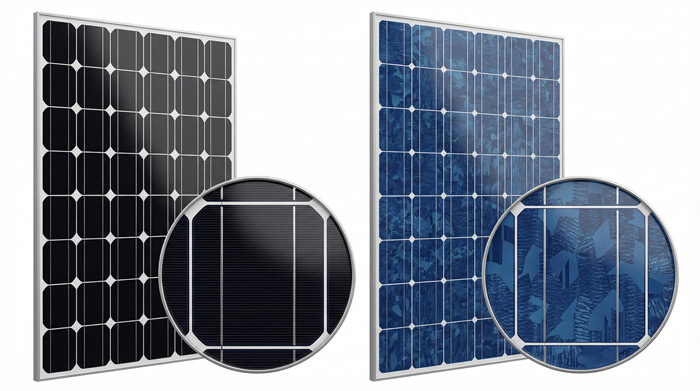
The efficiency of the solar panels used in the lights is an important factor that determines the effectiveness of the lights. Better lights may use better quality panels that are monocrystalline, which are generally better than polycrystalline panels.
The better lights may also use better quality charge controllers that can improve the performance of the lights by allowing better flow of energy and preventing overcharge. The cheaper lights may take longer to achieve the same results.
Investing in better quality lights would definitely improve the fast-charging capabilities of the lights.
When new solar lights are installed, it is normally recommended by the manufacturer that the lights be fully charged before use. This can be achieved by:
- Placing the light in direct sunlight for at least 8–12 hours
- Ensuring the power switch is turned on
- Avoiding shaded or obstructed locations during the first charge
This ensures the lights are well maintained and that the battery can be used optimally.
Why Solar Lights Sometimes Seem to Charge Slowly
If you are not getting the desired output from your solar-powered lights, it is not necessary that the charging time is the only cause. There are many other problems which can hinder the charging process.
Firstly, if the solar-powered lights are not placed properly, it can cause the charging process to slow down. Even if the lights are partially shaded during the peak sun hours, the charging process can slow down.
If the solar cells are not clean, it can also cause the charging process to slow down. It is not necessary that the charging process can slow down only if the cells are dirty. It can also slow down if there is an accumulation of pollen or any other matter.
Can Solar Lights Charge Without Direct Sunlight?
Yes, but much more slowly.
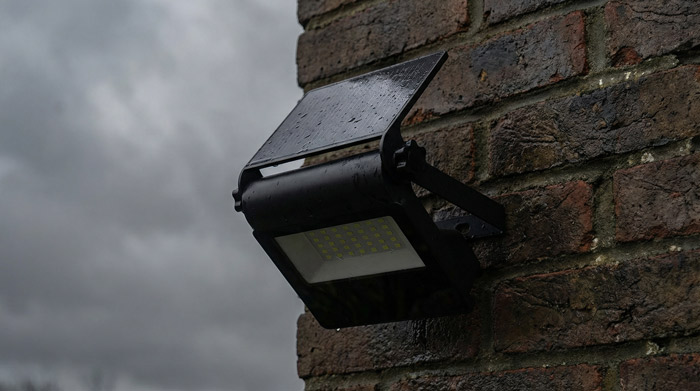
Solar panels can make use of indirect sun on cloudy days, although charging time will increase significantly, and the capacity of the batteries may not be achieved. Artificial light is not enough to charge solar-powered lights.
For optimal performance, it is recommended to place the solar-powered lights in a location where there is direct sunlight for at least six hours a day.
See also: How to Charge Solar Lights Without Sun
How to Maximize Charging Efficiency
If you want your solar lights to charge sooner and shine longer at night, here are some simple tips:
- Place your solar lights where they will receive maximum direct sunlight
- Keep your solar panels clean
- Change your old rechargeable battery if it is not functioning well
- Do not place your solar lights near a shiny surface as this will cause shade
Remember, every small detail counts towards a longer-lasting solar light.
Do solar lights charge on cloudy or rainy days?
Yes, solar lights can still charge on cloudy or rainy days, but efficiency is significantly reduced.
Heavy cloud cover can reduce energy production by 50% or more, meaning the battery may only be partially charged.
This typically results in a shorter lighting duration at night.
Can solar lights overcharge when left in the sun too long?
No. Most modern solar lights include a built-in charge controller that prevents overcharging.
Once the battery reaches full capacity, the controller limits or stops additional charging current.
Leaving solar lights in direct sunlight for extended periods will not damage them under normal conditions.
Why do my solar lights shut off earlier than usual despite a full day of charging?
The most common cause is battery aging.
Rechargeable batteries gradually lose capacity over time and may no longer hold as much charge as when new.
Replacing the battery is usually the most effective solution.
How do I know if my solar light has a full charge?
Most standard solar lights do not include a battery indicator.
You can test charge status by fully covering the solar panel to simulate darkness. If the light turns on at full brightness, it is likely well charged.
Some advanced models include LED indicators or smart control systems to display battery status.
Do solar lights charge faster in summer than in winter?
Yes. Solar lights typically charge faster in summer due to longer daylight hours, higher sunlight intensity, and a higher sun angle.
In winter, shorter days and lower sun angles reduce charging efficiency, which can affect nighttime runtime.
